
Audiobook Narration for Authors By Genre
Audio is worth taking seriously. Finding the right voice and tone for a story is critical to how a listener experiences it.
Here are some useful things to know, followed by how I approach the audiobook production process, genre by genre.
Audiobook Market Growth
Why audio is worth taking seriously right now.
- U.S. audiobook sales reached $2.43 billion in 2025, (+9%)
- 157 million Americans listen to Audiobooks (58% of adults!)
- The audiobook catalog grew to 750,000+ titles in 2025 (+43%)
- "Audio First" titles (no print) — grew +50% in 2025 ($91M → $136M)
Sources: Audio Publishers Association / Library Journal, Publishers Weekly, ppc.land, Libro.fm
Market Size Projections, 2021–2034
A different lens than the reported-sales figures above: this is total U.S. audiobook market size (a broader measure that includes platforms, production, and related services), projected out to 2034. It's not directly comparable to the APA sales figures above — but it shows the same story from a different angle: this market is still early in a long growth curve.
Source: Fortune Business Insights — Audiobooks Market Size, Share & Growth Report, 2026–2034 (market-size projection, distinct from the APA's reported actual-sales figures above).
View this data as a table
| Year | Projected market size |
|---|---|
| 2021 | $4.36B |
| 2022 | $5.52B |
| 2023 | $6.98B |
| 2024 | $8.83B |
| 2025 | $11.18B |
| 2026 (current) | $14.15B |
| 2027 | $17.91B |
| 2028 | $22.66B |
| 2029 | $28.68B |
| 2030 | $36.30B |
| 2031 | $45.95B |
| 2032 | $58.15B |
| 2033 | $73.59B |
| 2034 | $93.14B |
Genres & Specialties
Every genre asks something different of a narrator. Here's how I approach each one, with real titles from my catalog.
Memoir & True Crime
For a memoir audiobook narrator, the goal isn't so much performance as it is letting a true story breathe in the narrator's own voice, with the emotional restraint that keeps it from feeling staged while still remaining authentic. "Authentic" depends a lot on the author, so the trick is understanding both the author's natural and writing voice, and striking a balance between conveying their story while also remaining natural in a genre-appropriate way.
How do I know if my book is a memoir? If it's a true, first-person account of your own life or experience — not merely a novel inspired by real events — it qualifies as a memoir.
True crime narration adds another layer: pacing that respects real victims and events while still building the tension a listener expects. Titles here typically involve first-person reflection, real names and places, and a tone that stays honest rather than dramatic. Genres can also blend, which introduces its own type of complexity — The Hidden Pull (~10 finished hours), my first novel and first audiobook, is a genre-blender in that it's a memoir in a true crime framing, with the protagonist's true coming-of-age struggle woven into a narrative inspired by the criminal underground surrounding early cannabis prohibition.
Christian, Religious, Devotional, Spiritual & New Age
Spiritual and religious audiobook narration generally — though not always — calls for a much more neutral, steady, reverent tone that creates room for reflection and lets the message behind the material make its maximum impact. This genre is diverse: it spans devotional writing, religious teaching, and broader spiritual/inspirational nonfiction, and narration success here is much more about clarity and trust rather than performance range or inflection (though recognizing where additional emphasis might be necessary is still important). New Age titles — manifestation, energy healing, astrology, metaphysical teaching, law of attraction, dream interpretation, chakras and aura healing, old world mysticism and UFO/ancient-aliens-as-spirituality crossover content — sit inside this same genre but bring their own audience and readership who may take a broader esoteric view rather than, say, the devotional practices within traditional faith systems. Example: The Way of Mastery (3-book anthology, ~28 finished hours). Christian titles or those quoting the Bible require a narrator to be familiar with handling frequently cited verses and quotations, such as John 3:16 or 1 Corinthians 6:19-20. Listeners in this genre are often returning to a particular passage for guidance, so pacing tends to be slower and more meditative than fiction.
How do I know if my book is Christian, religious, devotional, spiritual, or New Age nonfiction? If it teaches, reflects on, or guides readers through faith, belief, or spiritual practice rather than telling a fictional story, it belongs here.
Mystery, Thriller & Suspense
Mystery and thriller audiobook narration lives or dies on pacing and tonal control — how much a narrator reveals before the page does, and how tension builds without tipping into melodrama. The narration may be slow-burn investigative, or fast-paced action search-and-rescue sequences, or it may alternate between the two. It may be action-driven — lots of stuff is happening — or more character-driven, following particular characters more closely and observing their interior monologue. This is one of the highest-earning genres in audiobook, so authors searching for a mystery audiobook narrator or thriller audiobook voice actor are often comparing pacing and tone across samples closely. Cliffhangers, red herrings, and tonal misdirection all need to land in performance the way they do on the page. Example: Sugar Cube (~10 finished hours).
How do I know if my book is a mystery or thriller? If the core engine of your plot is a question the reader is trying to answer — who did it, what's really happening, what happens next — before the twist resolves it, it's mystery/thriller/suspense.
Historical Fiction
Historical fiction audiobook narration asks for range across time, place, and often multiple characters, while staying grounded enough that the historical setting or timeline it's set in feels real rather than staged. These titles may require period-accurate tone or affectation — such as Transatlantic/Mid-Atlantic, British RP, Eastern European, or Arabic accents and pronunciations — and can be particularly heavy on accent work, requiring a narrator who can handle dialect consistency across a large cast and enough immersive detail in delivery to transport a listener to another era. Such titles also tend to have a lot of very specific names and places that require additional research and careful diction. Authors in this genre often care most about whether a narrator can sustain that authenticity naturally across a full-length novel, without it feeling forced or slipping into something more academic or mechanical. Example: Against a Crescent Storm (~16 finished hours).
How do I know if my book is historical fiction? If it's a story grounded in a specific, real historical period or event — with either real or invented characters — but the plot line and events of the story remain the author's own imaginative creation, it's historical fiction.
History & Biography
Narrating nonfiction history or biography is different from narrating a novel: the priority here is intellectual clarity and precise pacing over dramatic performance, especially with dense material, names, places, and eras that need to be clear to the listener without tipping into boring lecture territory. A narrator's job here is to make scholarship or a real life story engaging without turning it into a theatrical number — the line is between remaining lively enough to keep the listener's attention, and academic and/or technical enough to maintain genre integrity and professionalism. This genre draws listeners looking to learn, so trust and pronunciation accuracy matter as much as tone. Example: Thinkers and Dreamers: Genius and the Evolution of European Thought (~3.5 finished hours).
How do I know if my book is history or biography? If it's nonfiction built around real events, real ideas, or a real person's life, rather than an invented plot — even if it adds deductive logic and draws the author's own conclusions — it belongs here.
Magical Realism & Fantasy
Fantasy audiobook narration is a test of range: how many distinct character voices a narrator can sustain consistently across a long runtime, while still selling the cosmic stakes of the world-building and any comedic tone the story carries. Authors searching for a fantasy audiobook narrator or epic fantasy voice actor are usually listening for consistency of voice across hours of material and vocal musicality that never goes flat. Example: The Chosen One's Assistant: Never Meet Your Heroes (~11 finished hours). Magical realism calls for a different instinct: the setting stays grounded in the real world, and the magic is woven in quietly and treated matter-of-factly rather than announced, so the delivery stays understated rather than reaching for a theatrical register. Example: The Desert Legion (coming soon).
How do I know if my book is fantasy or magical realism? If your story is set in an invented or magically-altered world with its own rules, it's fantasy. If it's set in the real world and the magic is subtle or incidental rather than the point of the plot, it's magical realism.
Parenting
Parenting audiobook narration needs warmth and directness. It must remain credible enough that a listener trusts the advice, conversational enough that it doesn't feel like a lecture. Above all, parenting content should feel natural — parents want real-life advice from another parent who has lived what they're going through. Friendly banter or humor can offer a nice touch where appropriate, but never replaces the parent-to-parent dialogue underlying the whole text. Example: Girl Dad (3.5 finished hours), The Practical Guide for First-Time Dads (3.5 finished hours), and Social Skills for Teens (5.5 finished hours). How do I know if my book belongs in parenting? If it's nonfiction written to help, guide, or entertain parents about raising kids, it's parenting.
Personal Development & Self-Help
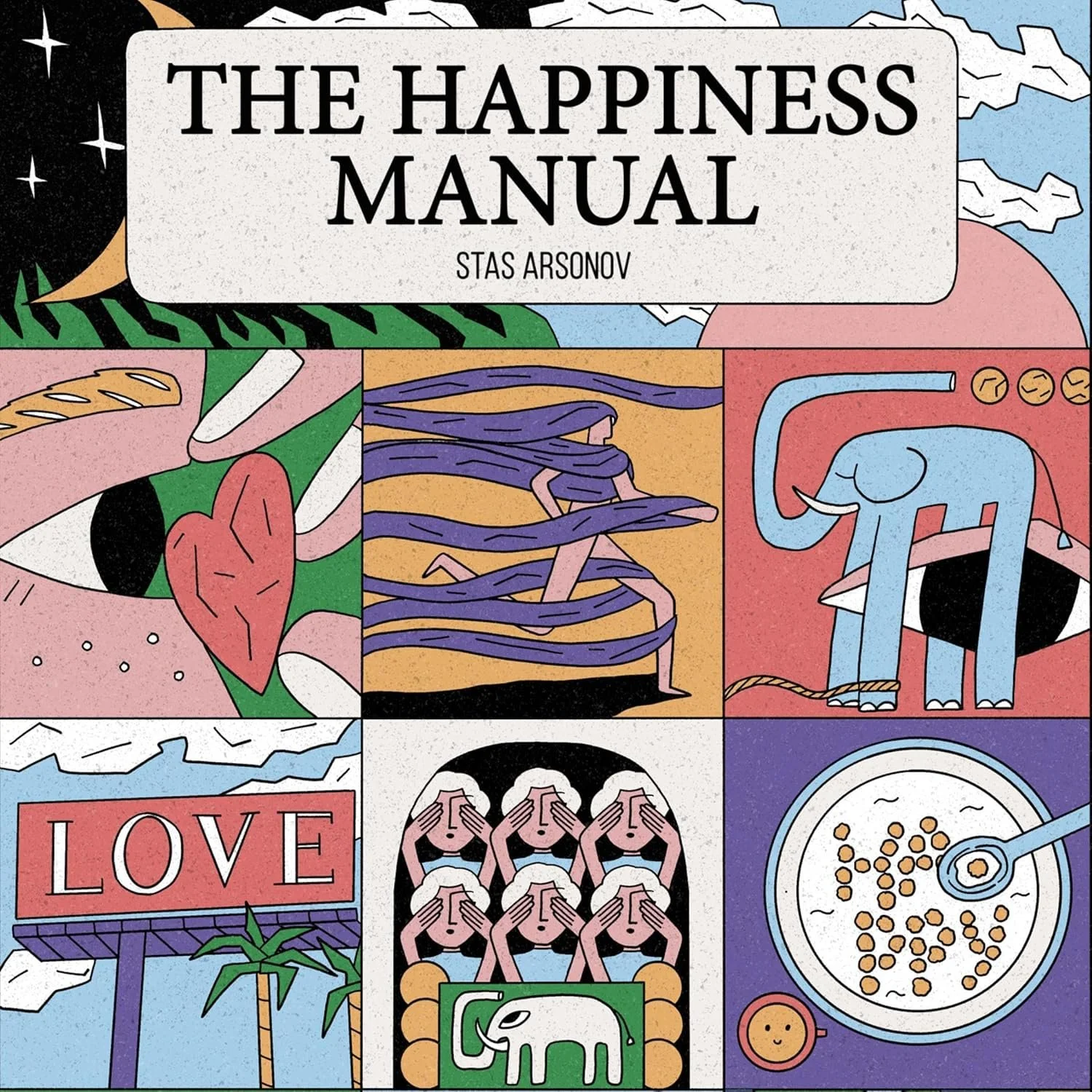
The Happiness Manual, 365 Daily Affirmations, The Book of Minds by Jeff Davies, and Help for Hoarding — self-help and personal development narration is closer to a conversation than a performance. The goal is credibility: a listener has to trust the voice giving them the advice.
Travel & Adventure
FUERZA: Power — a story of travel and finding your way in a foreign land — and Introverts: Southern Utah Travel for Crowd Haters both live in the same territory: a strong sense of place. Narrating travel material well means specificity — real places rendered vividly enough that a listener feels like they're actually there.
Conspiracy & Speculative Nonfiction
Red Symphony, Aliens, UFOs, Nephilim Giants, Hybrids & Cryptids in the Bible, and The Great Canadian Lore — this material asks a narrator to hold a tone of genuine curiosity without tipping into parody, whether the subject is historical conspiracy or unexplained phenomena.
Coming of Age
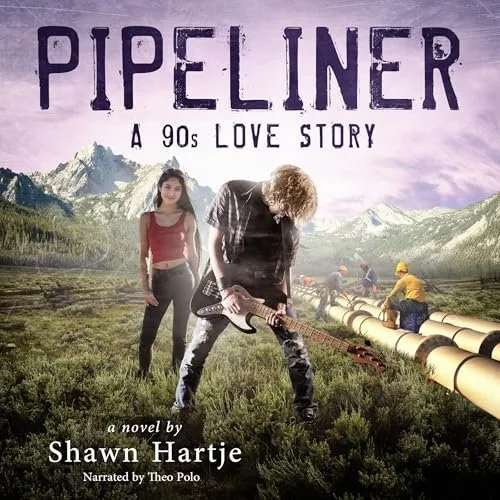
Pipeliner — coming-of-age narration means voicing characters across a wide age range convincingly, often switching between casual and dramatic registers within the same scene, and sometimes stretching into creative extras like sound effects or invented songs when a scene calls for it.
Post-Apocalyptic & Speculative Fiction
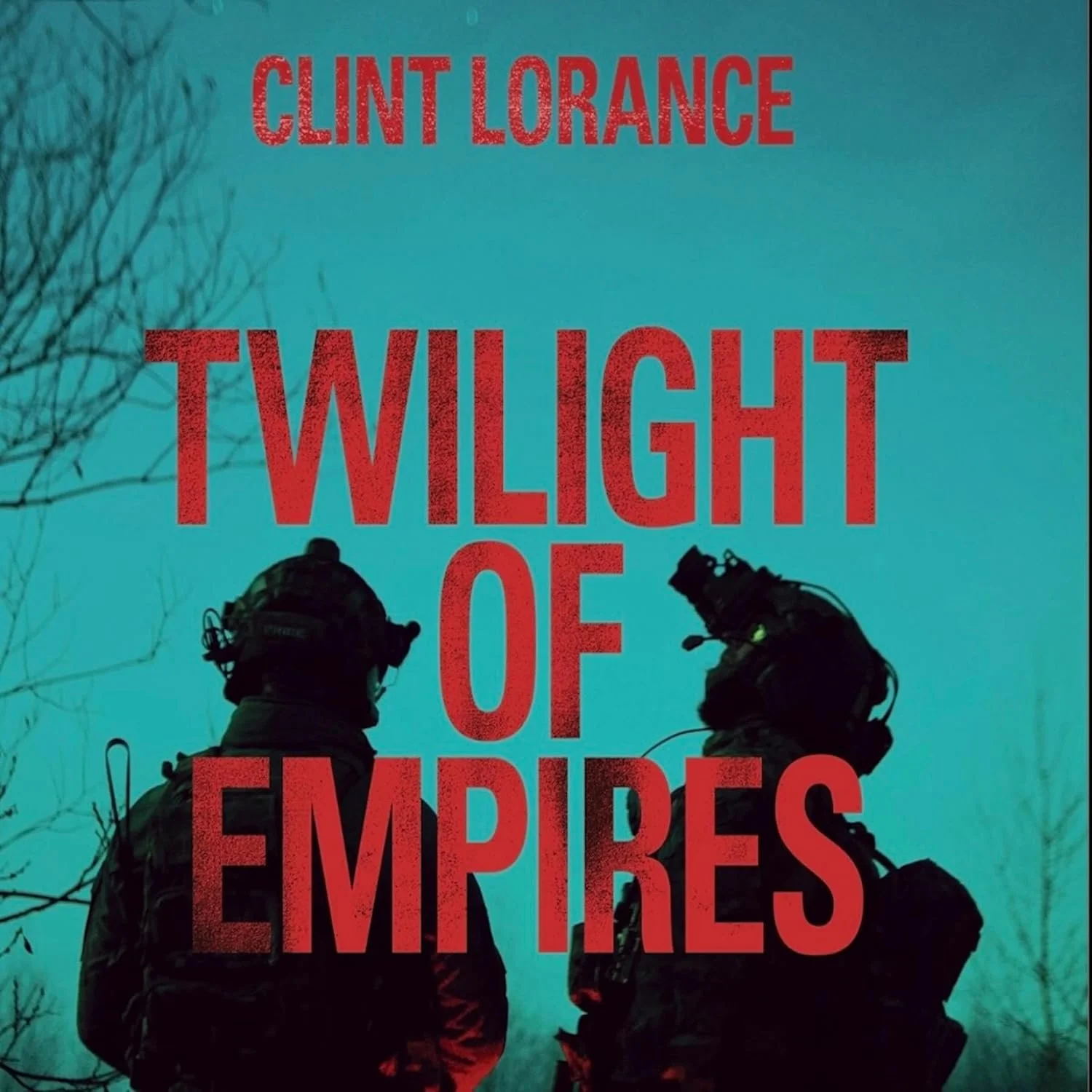
Twilight of Empires — big-canvas, post-apocalyptic fiction needs scale and momentum: a narrator's ear for when a scene needs to move versus when it needs to breathe.
Don't see your genre listed? Get in touch to talk about your book, or read what other authors are saying in Testimonials.
Audiobooks





Fuerza by Hong Zhang Durandal
Memoir · Business & Career · Renewable Energy. Hong Zhang Durandal’s journey from Bolivia to building an international renewable-energy career — a roadmap for breaking into green energy. Read the full synopsis and hear a sample on Fuerza’s own page.
Red Symphony by Joseph Landowski
Nonfiction · History · Russia · Politics & Government. A harrowing firsthand account of a doctor forced into service by Stalin’s secret police, secretly recording testimony from the show-trial era. Read the full synopsis and hear a sample on Red Symphony’s own page.
Sugar Cube by Joe Morello
Crime Fiction · Psychological Thriller · Suspense. Mob boss Sal Benedict plays a deadly cat-and-mouse game with the FBI while racing to save his kidnapped son. Read the full synopsis and hear a sample on Sugar Cube’s own page.
Pipeliner by Shawn Hartje
Idaho, 1993: seventeen-year-old Jason Krabb falls for a girl from the other side of town amid a ragtag crew of pipeliners, in Shawn Hartje's laugh-out-loud coming-of-age story. Read the full synopsis and hear a sample on Pipeliner's own page.
The Happiness Manual by Stas Arsonov
Meditation · Personal Development · Personal Success · Spirituality · Happiness. Stas Arsonov’s empowering handbook of inspirational stories and daily practices for building happier relationships, fulfilling work, and an abundance mindset. Read the full synopsis and hear a sample on The Happiness Manual’s own page.
Twilight of Empires by Clint Lorance
Fiction · Thriller. The second World at War installment: after an engineered EMP apocalypse, Marine Jacob Turner and Army Captain Mia Blaze fight for survival on separate, perilous fronts. Read the full synopsis and hear a sample on Twilight of Empires’s own page.
Girl Dad by David Hall
Parenting · Fatherhood · Family Relationships · Inspiring. David Hall’s practical, heartfelt guide to building a strong father-daughter bond, from confidence-building to navigating the teen years. Read the full synopsis and hear a sample on Girl Dad’s own page.
The Practical Guide for First-Time Dads by Lauren Kelley
Be an I.N.V.O.L.V.E.D. first-time dad and discover the secrets to a rewarding and balanced fatherhood experience!
Becoming a dad is like unlocking a new level in the game of life – exciting, challenging, and completely transformative.
Statistically speaking, more than one-third of new dads are concerned about their mental health, juggling the responsibilities of a demanding career and the uncharted territory of parenting.
Dads often describe this time as an emotional rollercoaster filled with pride, love, fear, and confusion.
What if there was a manual to navigate you through these complexities of fatherhood, offering knowledge and support designed especially for your unique adventure as a father?
Inside this life-changing dad manual, you will discover:
The I.N.V.O.L.V.E.D. framework, a comprehensive guide embracing every aspect of fatherhood to help new dads develop essential parenting skills
Ways to strengthen your bond with your baby and partner
The skills to juggle work, family, and personal time – make sure no aspect of your life is left behind
Tools to handle sleep deprivation and stress – turn these obstacles into opportunities for growth
How to recognize, process, and manage your emotions for a healthier, happier parenting experience
Practical skills that make fatherhood both fun and fulfilling – from baby-proofing your home to mastering diaper changes, be the hands-on dad your child needs!
And much more!
Every journey starts with a step, and this book is that step towards a more confident, joyful, and balanced fatherhood.
Be a dad who’s fully INVOLVED and prepared for every moment.
Get The Practical Guide for First-Time Dads on Amazon.
365 Daily Affirmations
Nonfiction · Self-Help · Meditation · Spiritual Meditation. Glenn Kennedy’s year-long companion of daily affirmations for mindfulness, motivation, and success. Read the full synopsis and hear a sample on 365 Daily Affirmations’s own page.
The Way of Mastery by Shanti Christo Foundation
Spirituality · Religious · Inspirational. The Enhanced Edition of all three Way of Mastery books, containing 35 profound lessons given by Jeshua ben Joseph on living a life of unconditional love. Read the full synopsis and hear a sample on The Way of Mastery’s own page.
Aliens, UFOs, Nephilim Giants, Hybrids & Cryptids in the Bible by Charlotte Haire
Religion & Spirituality · Christianity · Bible Study · Prophecies. Charlotte Haire’s first End Time Watchman Commentaries book, exploring UFOs, aliens, and Nephilim giants through Biblical end-times prophecy. Read the full synopsis and hear a sample on Aliens, UFOs, Nephilim Giants, Hybrids & Cryptids in the Bible’s own page.
More From the Catalog
A few more titles that round out the catalog above.
- The Hidden PullMemoir / True Crime — author & narratorListen on Audible Read more
- Against a Crescent StormHistorical FictionListen on Audible Read more
- Thinkers and Dreamers: Genius and the Evolution of European Thought (XVI–XIX Century)History & Biography — by Hristo ToshkovListen on Audible Read more
- The Book of Minds: You Have Two Minds. You're Using the Wrong One.Personal Development — by Jeff DaviesListen on Audible Read more
- The Chosen One's Assistant: Never Meet Your HeroesFantasy — by Kimber GreyView on Amazon (not yet on Audible) Read more
- Help for HoardingSelf-HelpListen on Audible Read more
- The Great Canadian LoreConspiracy / Speculative NonfictionListen on Audible
- Introverts: Southern Utah Travel for Crowd HatersTravel & AdventureListen on Audible Read more
Frequently Asked Questions
Real answers to the questions authors ask most before making an audiobook.
Should I even make an audiobook?
Yes — audio is how a huge share of readers now experience books at all. U.S. audiobook sales hit $2.43 billion in 2025 (up 9% from 2024), and 157 million Americans — 58% of the adult population — have listened to an audiobook. That's not a niche format anymore; it's a primary one for a lot of readers.
Should I narrate it myself, or hire someone?
It depends on the book and on you. Self-narration works well for memoir and personal nonfiction, where the author's own voice is part of the material's authenticity — I did exactly this with my own memoir. For fiction, especially anything requiring distinct character voices or sustained vocal performance across 8–10+ hours, a trained narrator is usually the stronger choice. I've been on both sides of this decision, which is part of why authors come to me specifically.
How much does it cost?
The going indie rate is roughly $200–$400 per finished hour, which puts a typical 10-hour audiobook around $2,000–$4,000 total. Rates vary with narrator experience, production complexity (single vs. multiple character voices), and turnaround time.
How long until it pays for itself?
This varies a lot by genre and marketing, but a commonly cited indie benchmark is around 3–4 years to fully recoup production costs through royalties — faster if you already have an engaged reader base to launch it to.
Where do I even start?
Start with the book itself: decide whether it suits self-narration or a hired narrator (see above), get a sample chapter narrated before committing to the full project, and check ACX or a narrator's own site for rates and availability. Most of the "overwhelm" authors report comes from skipping the sample-chapter step and committing blind.
How do I find a narrator on a limited budget?
Sample rates directly from a few narrators rather than only using ACX's marketplace defaults, ask about flexible payment structures (some narrators offer royalty-share instead of full up-front payment), and be realistic that a shorter book costs proportionally less — a novella-length work is a much smaller commitment than a full novel.
How do I choose an audiobook narrator for my genre?
Listen to samples in your actual genre, not just a narrator's general demo reel — pacing and character work that's excellent for thriller can be wrong for memoir or parenting content. Ask whether they've narrated your genre before, and request a short paid sample of your own manuscript before committing to the full book.
ACX vs. hiring a narrator directly — what's the difference?
ACX is a marketplace that connects authors and narrators (often via royalty-share deals with no upfront cost), while hiring directly means working one-on-one with a narrator on rate, timeline, and creative direction outside that marketplace structure. Direct hire generally means more control and faster communication; ACX can mean lower upfront cost but less flexibility.
What makes a good audiobook narrator for memoir or inspirational books?
Restraint and credibility more than performance range — a memoir narrator's job is to disappear into the honesty of the material rather than perform it. I'd argue lived experience helps too: having written and narrated my own memoir shaped how I approach every memoir project since.
Social Skills for Teens by Alexander Knight
Secure friendships, social confidence, stress-free lunch times... It all awaits you!
You’re in school for around 180 days a year, which means 180 lunchtimes. How does that make you feel? Are you someone whose heart races when the bell rings for lunch? Sure, you’re ready to eat and not think about math, but the lunch hour can be more stressful than math. Maybe you have conflicting friendship groups, and every choice seems wrong, or perhaps you’re used to standing on the sidelines, trying to start a conversation, terrified of rejection. Or maybe you’re always in the heart of everything, ending up in heated arguments nearly every lunchtime. The social experience is one of the hardest things about being a teenager, with unspoken rules and silent judgments. But help is at hand. You can master the art of moving through the social landscape quickly, free from stress, and with the skills to build and maintain strong and healthy relationships.
This guide for honing your social skills will tell you all the secrets you need to know. Inside, you’ll discover fun and practical exercises to help you get to know yourself, how to build your confidence and banish your social fears for good, craft a digital persona that reflects who you are, start a conversation that keeps flowing, make new friends and navigating the complexities of friendship, what to do when conflict arises, why rejection isn’t something to be afraid of and what to do when it happens, understanding peer pressure and saying “No,” ensuring your digital interactions enhance your relationships, essential social skills for life beyond school, and ways your parents and teachers can support you. If you feel like you’ll always be on the outside or worry that you always seem to get it wrong when it comes to social interaction, don’t worry. We aren’t born with complete social skills – we have to build them. You have everything it takes to enjoy the stimulating and fulfilling social life you dream of.
Get Social Skills for Teens on Amazon..